


Creating a safe, stimulating, and healthy environment is one of the most important responsibilities of any pet owner. Whether you have a playful puppy, a curious cat, or an exotic reptile, the spaces your pets inhabit directly impact their well-being. In this guide, you’ll discover actionable tips to design pet-friendly homes, explore the latest trends in Tanks & Habitats – Aquariums, terrariums, and aquatic setups designed for a safe, healthy environment, and learn how small changes can make a big difference in your pet’s happiness and health.
Why Your Pet’s Environment Matters
A growing body of research shows that pets’ physical and mental health is closely linked to their surroundings. For example:
- Behavioral benefits: A well-organized space can reduce stress and destructive behaviors in cats and dogs.
- Health benefits: Proper tanks and habitats prevent disease and injury, particularly for aquatic and exotic pets.
- Longevity: Pets in thoughtfully designed environments often live longer, healthier lives.
5 Key Steps to Build the Perfect Pet Habitat
1. Choose the Right Space
Start by assessing the area where your pet will spend the most time. Consider:
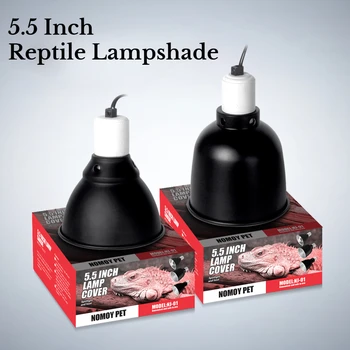
- Lighting, temperature, and humidity for exotic pets
- Quiet zones for shy or anxious animals
- Accessibility for cleaning and maintenance
2. Invest in Quality Tanks & Habitats
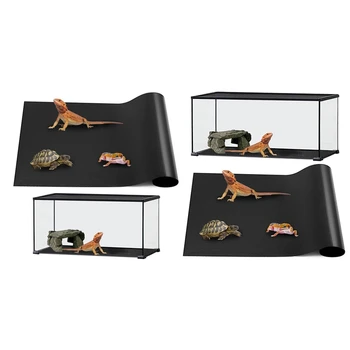
Whether you’re caring for fish, reptiles, or small mammals, Tanks & Habitats – Aquariums, terrariums, and aquatic setups designed for a safe, healthy environment are crucial. Tips include:
- Use non-toxic materials for terrariums
- Include filtration systems in aquariums
- Provide hiding spots and enrichment items
3. Create Enrichment Opportunities
Pets need mental and physical stimulation to thrive. Examples include:
- Puzzle feeders for cats and dogs
- Climbing structures for reptiles
- Live plants and natural décor for aquariums
4. Maintain Cleanliness & Safety
Regular cleaning prevents illness and keeps habitats inviting:
- Change aquarium water weekly and monitor pH levels
- Disinfect terrariums with pet-safe solutions
- Check for sharp edges, loose wires, or toxic plants
5. Monitor and Adapt
Pets’ needs change over time. Stay proactive by:
- Observing behavior for signs of stress or boredom
- Adjusting habitat layout seasonally or as pets grow
- Consulting veterinarians or exotic pet experts when needed
Trends in Pet Environments for 2026
- Eco-friendly habitats: Sustainable materials and energy-efficient lighting are gaining popularity.
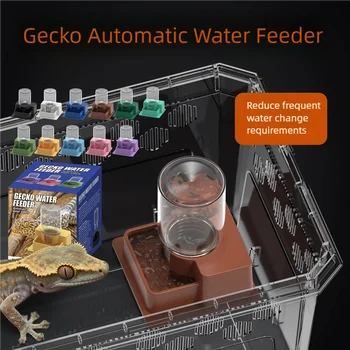
- Smart habitats: Automated feeding, temperature control, and water monitoring for convenience.
- Interactive enrichment: Toys and habitats that stimulate pets physically and mentally.
According to a 2025 survey by the American Pet Products Association, 67% of pet owners are now prioritizing enrichment and mental stimulation in their pets’ environments—proof that modern pet care goes beyond basic feeding and shelter.
Designing a safe, stimulating, and healthy space for your pets doesn’t have to be complicated. By focusing on proper habitat selection, enrichment, cleanliness, and ongoing adaptation, you can ensure your pets lead happy, thriving lives. Remember, investing in the right Tanks & Habitats – Aquariums, terrariums, and aquatic setups designed for a safe, healthy environment is an investment in their health and happiness.
Ready to take your pet’s environment to the next level? Share this guide with fellow pet lovers and join our newsletter for more expert tips!




0 Comments